
As the crisp February air blankets the majestic Italian Alps, the 2026 Winter Olympics in Milano and Cortina d'Ampezzo have unfolded like a grand opera—dramatic, exhilarating, and unapologetically human, concluding in this past February 22, 2026, after 17 days of thrilling competition.
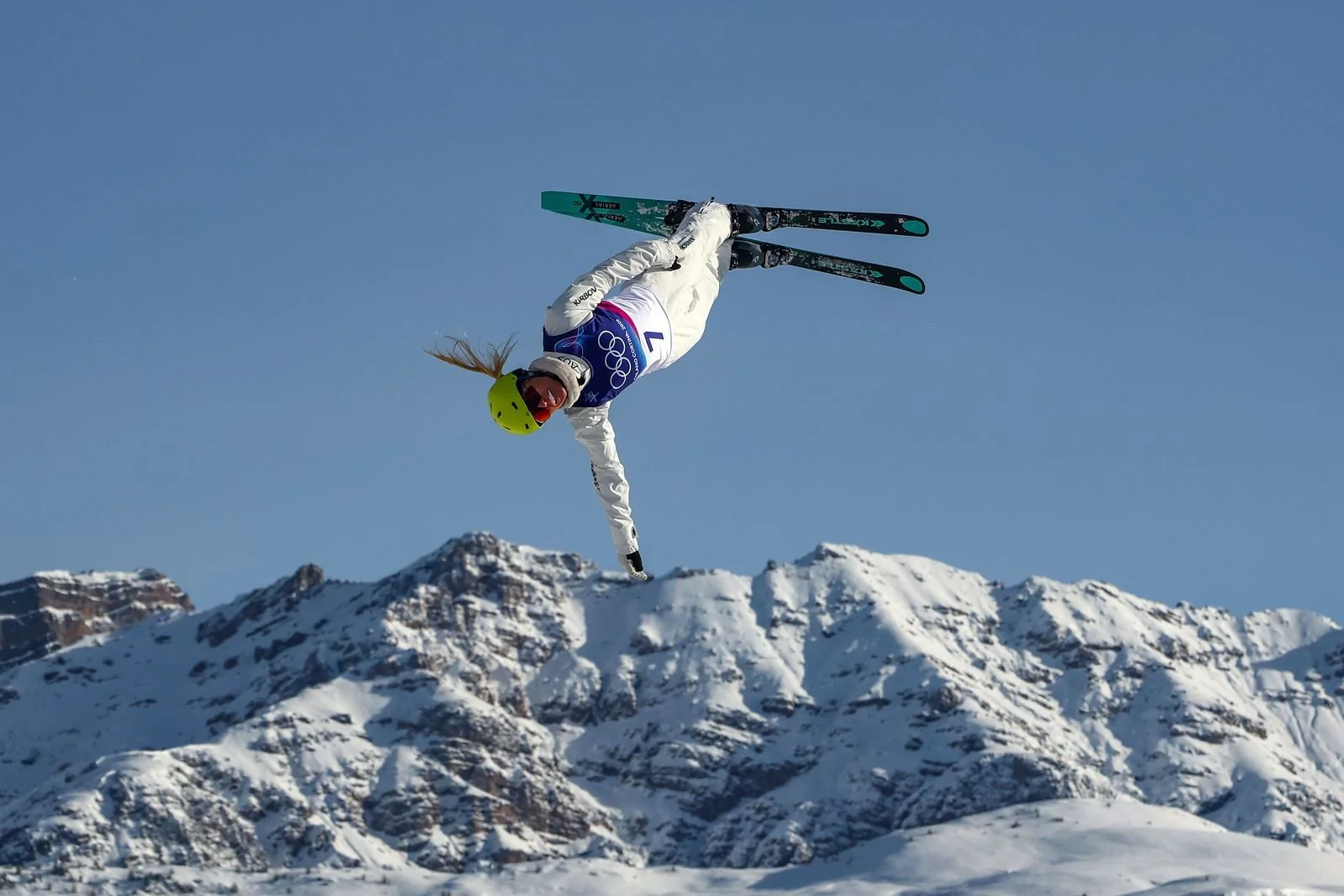
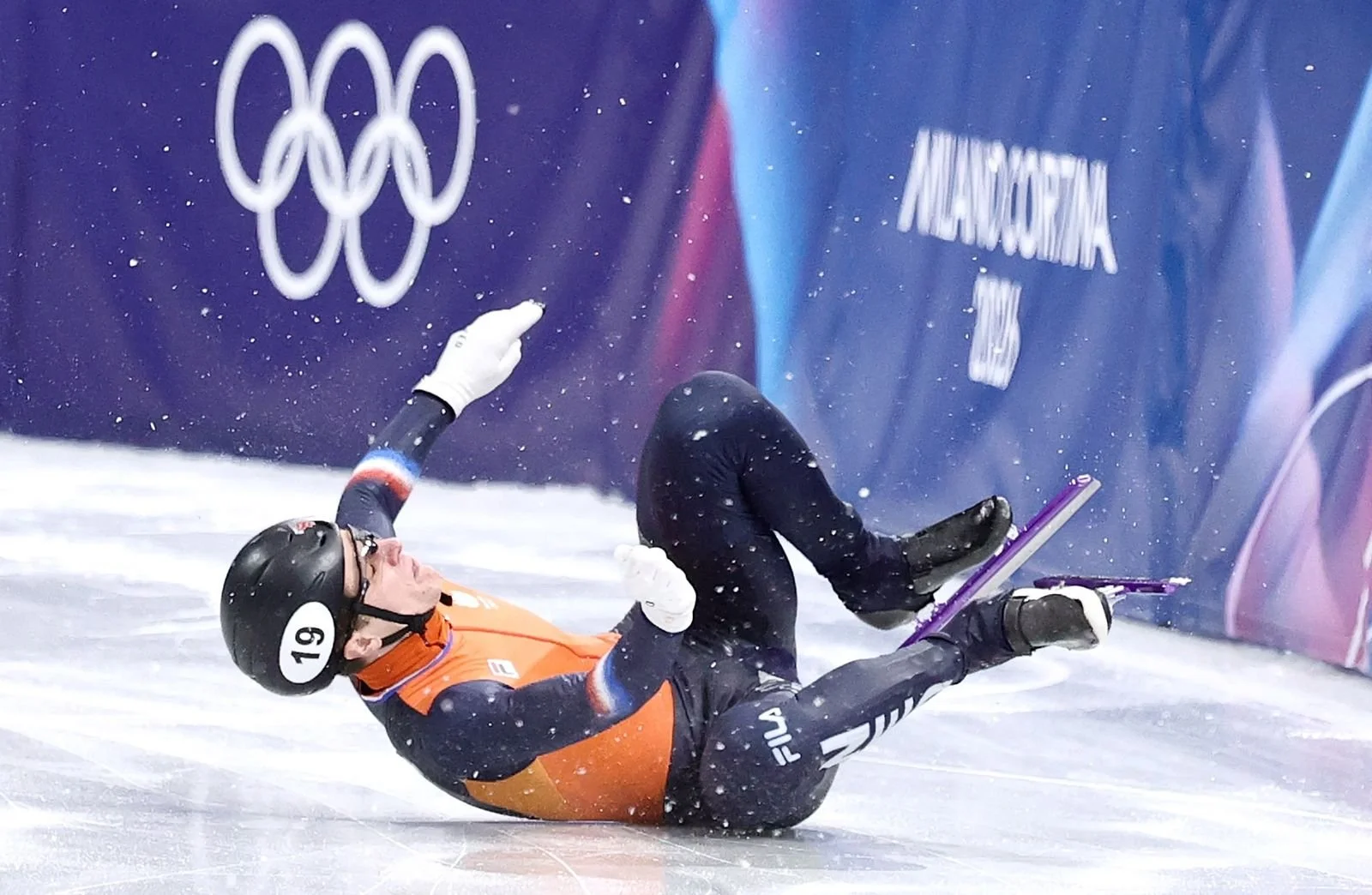
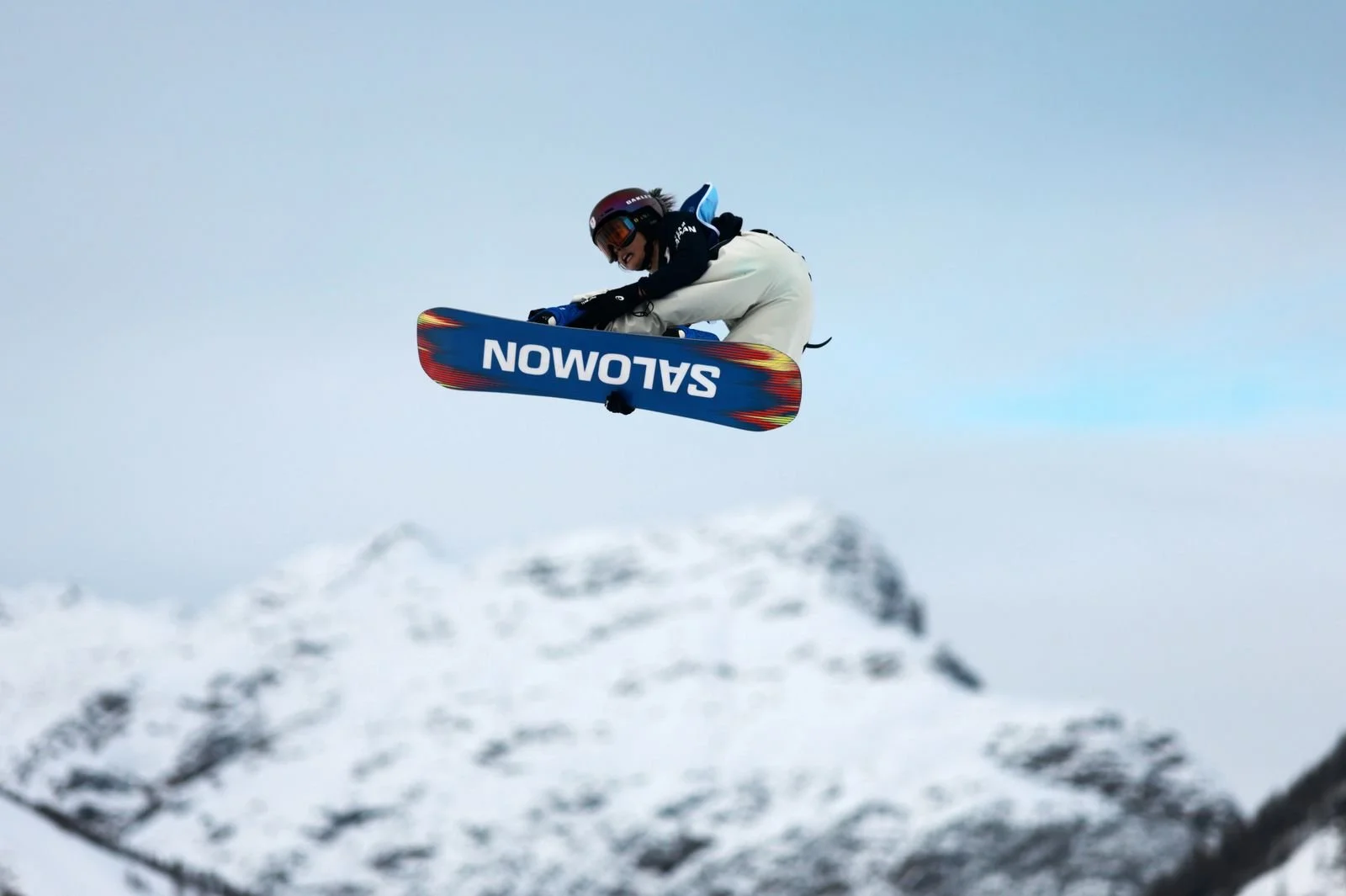
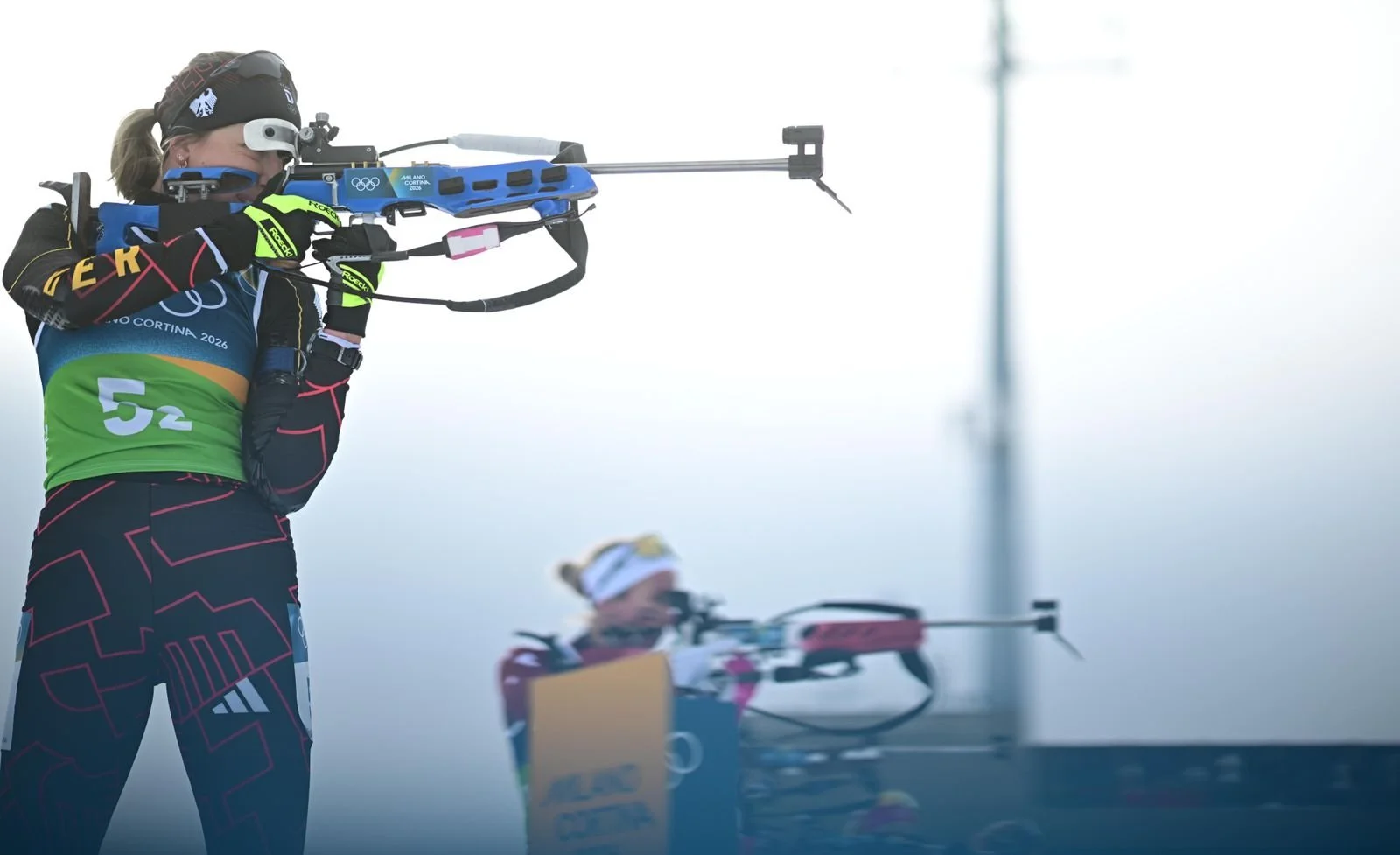
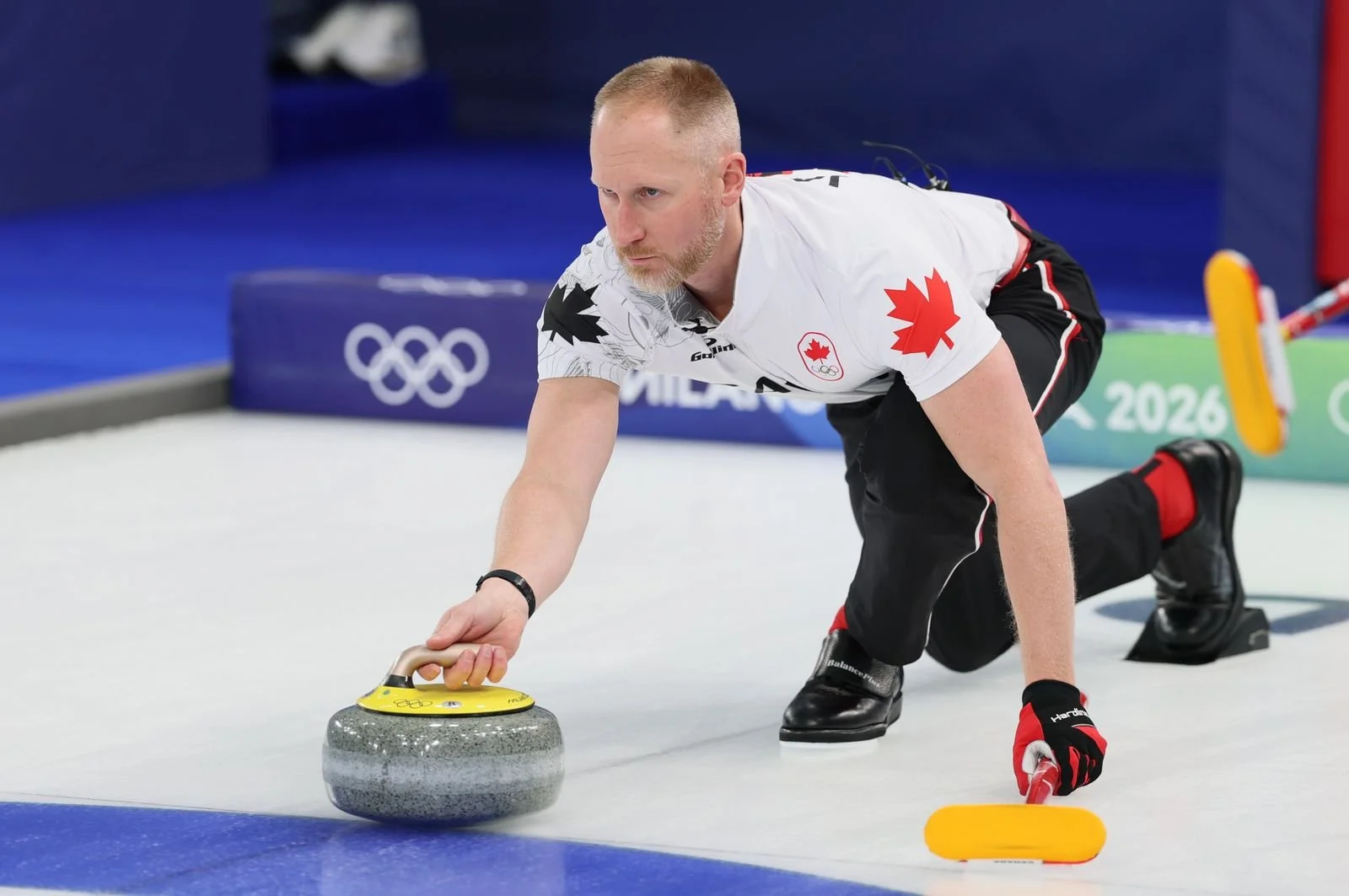
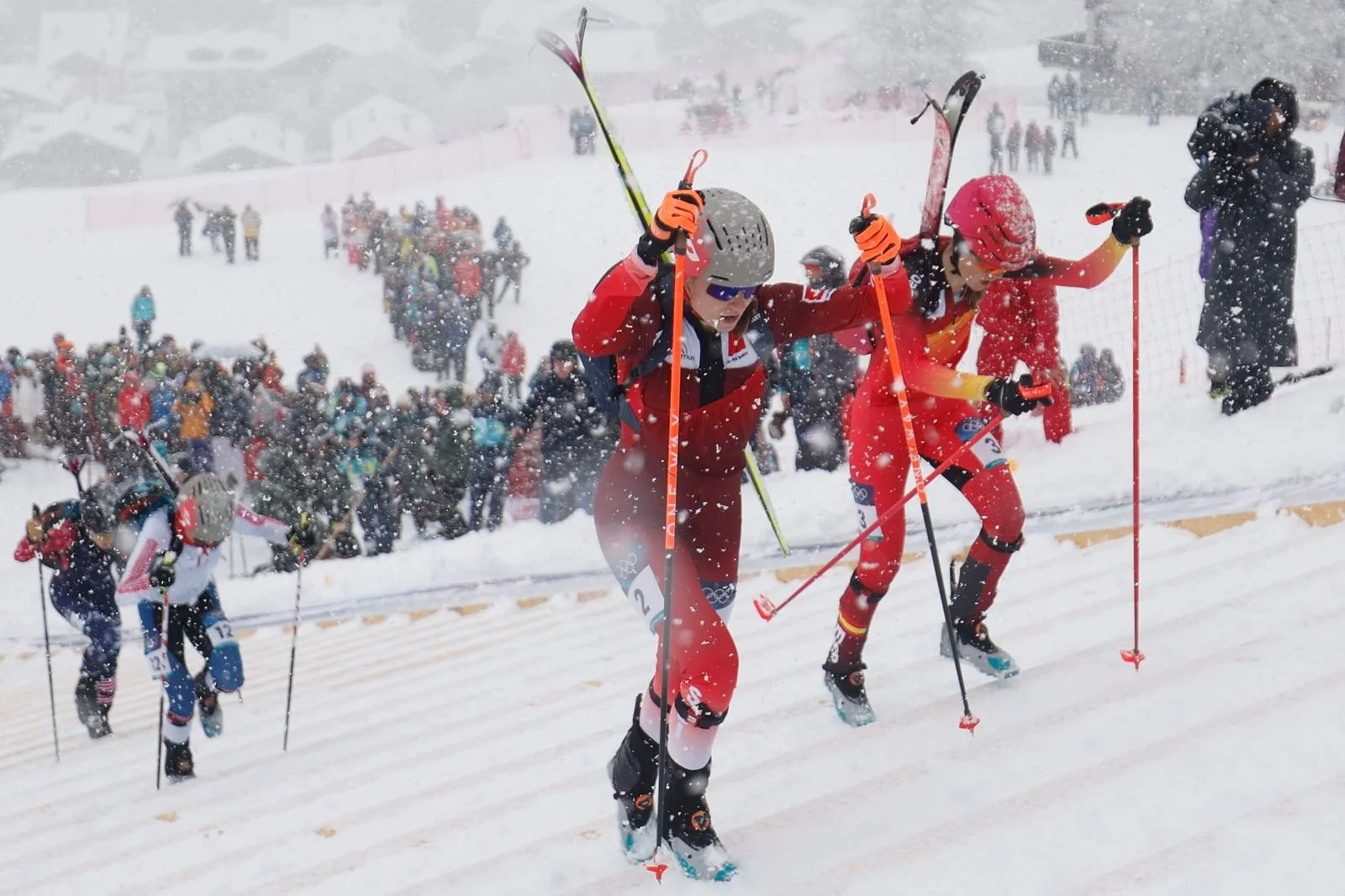
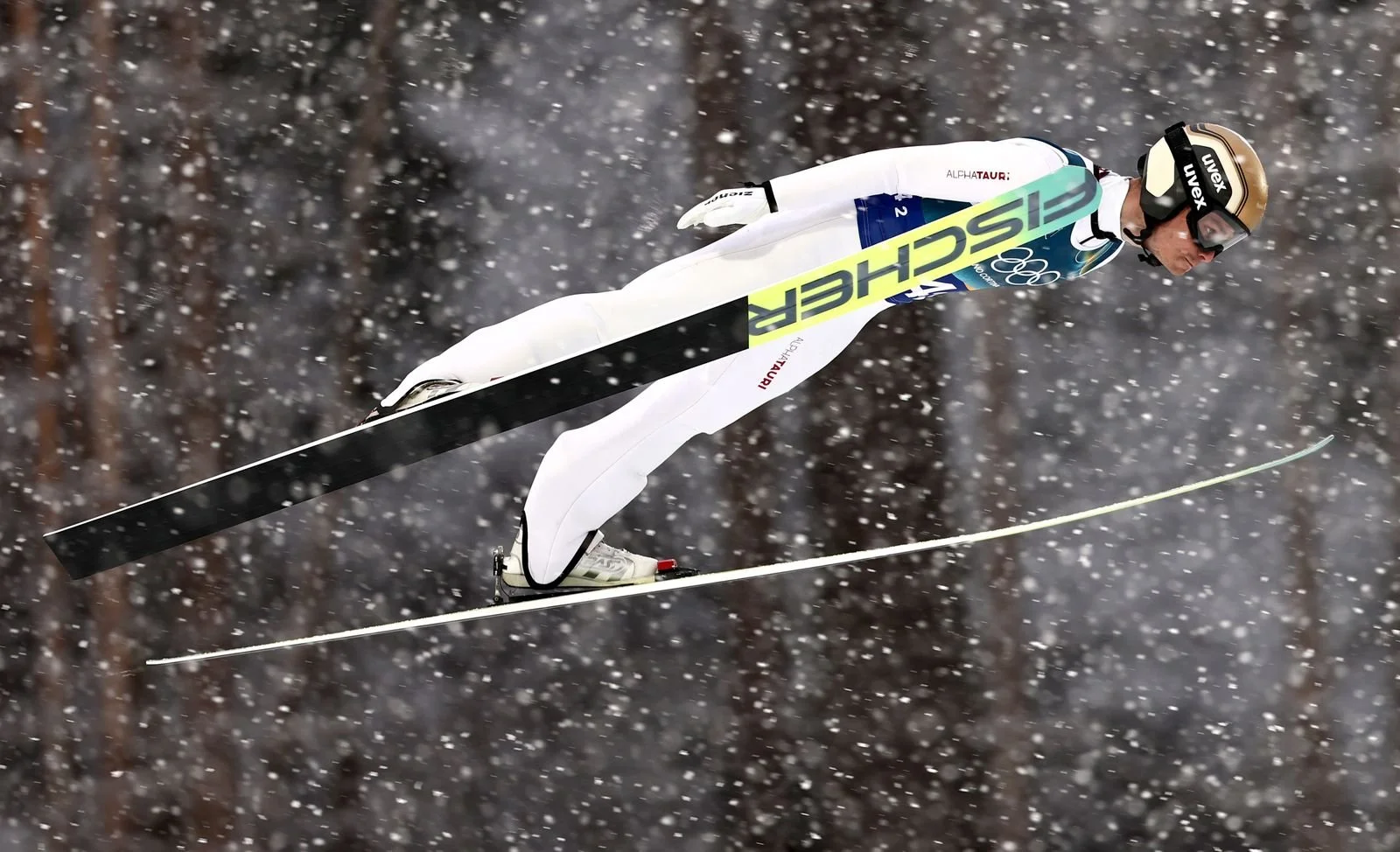
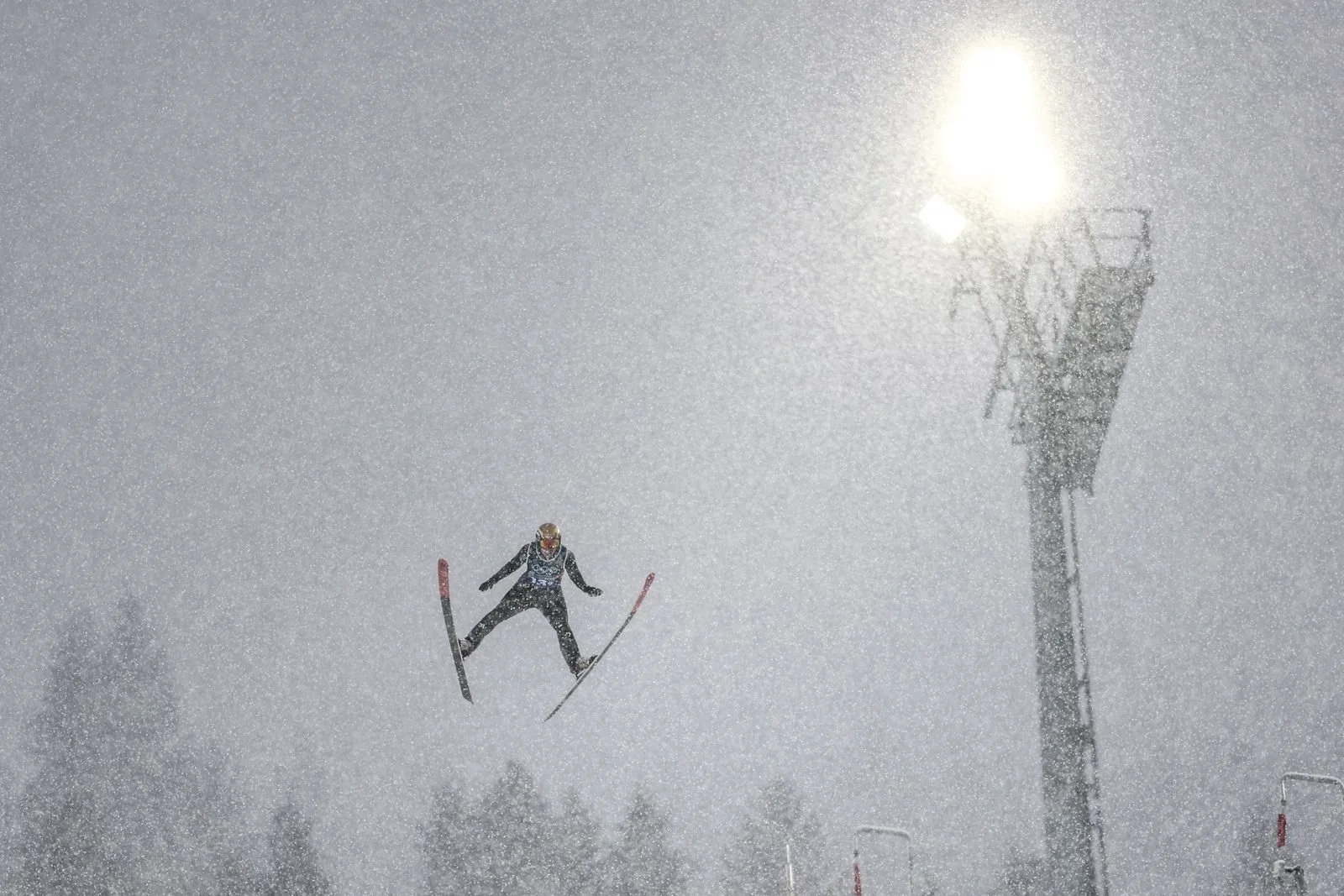
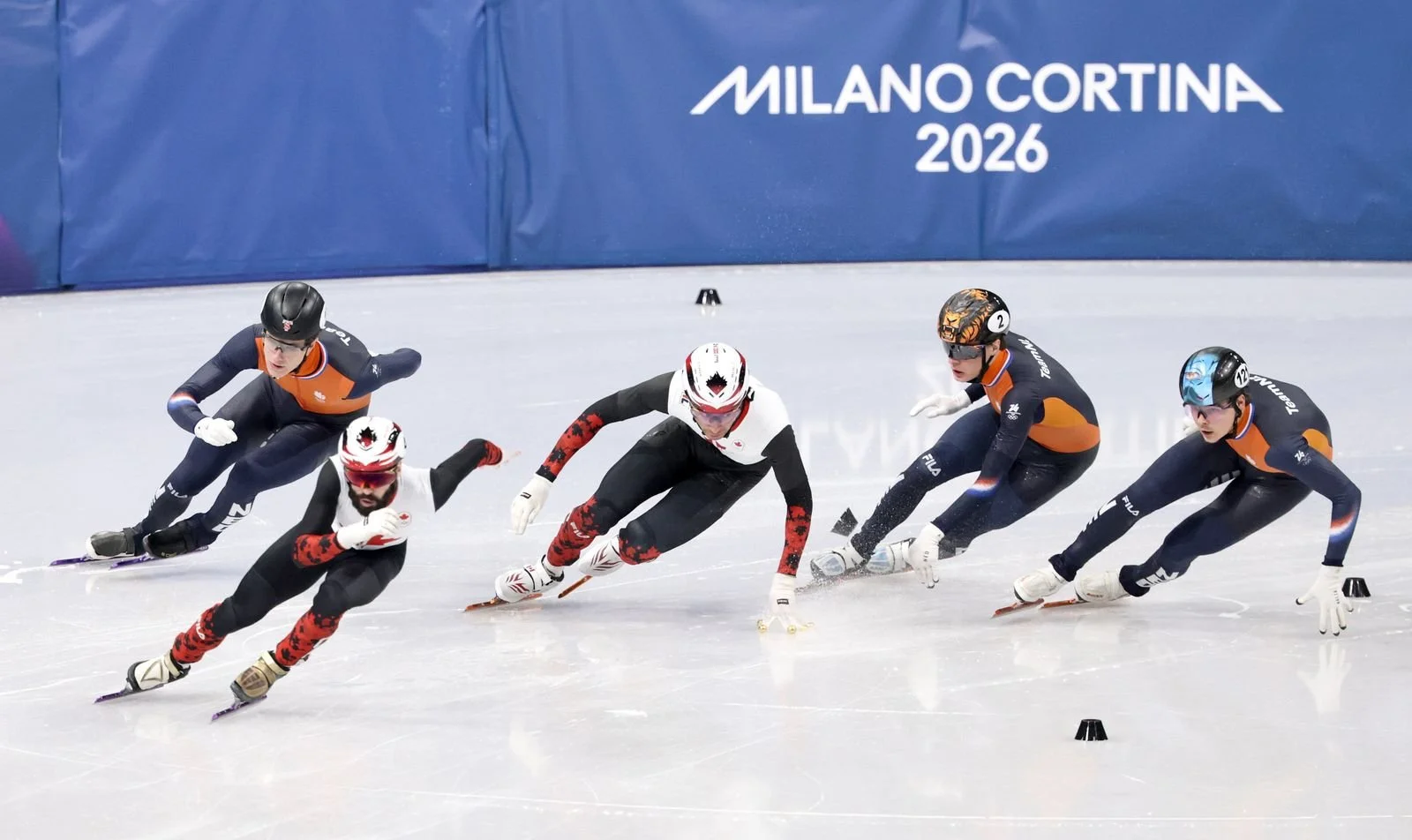
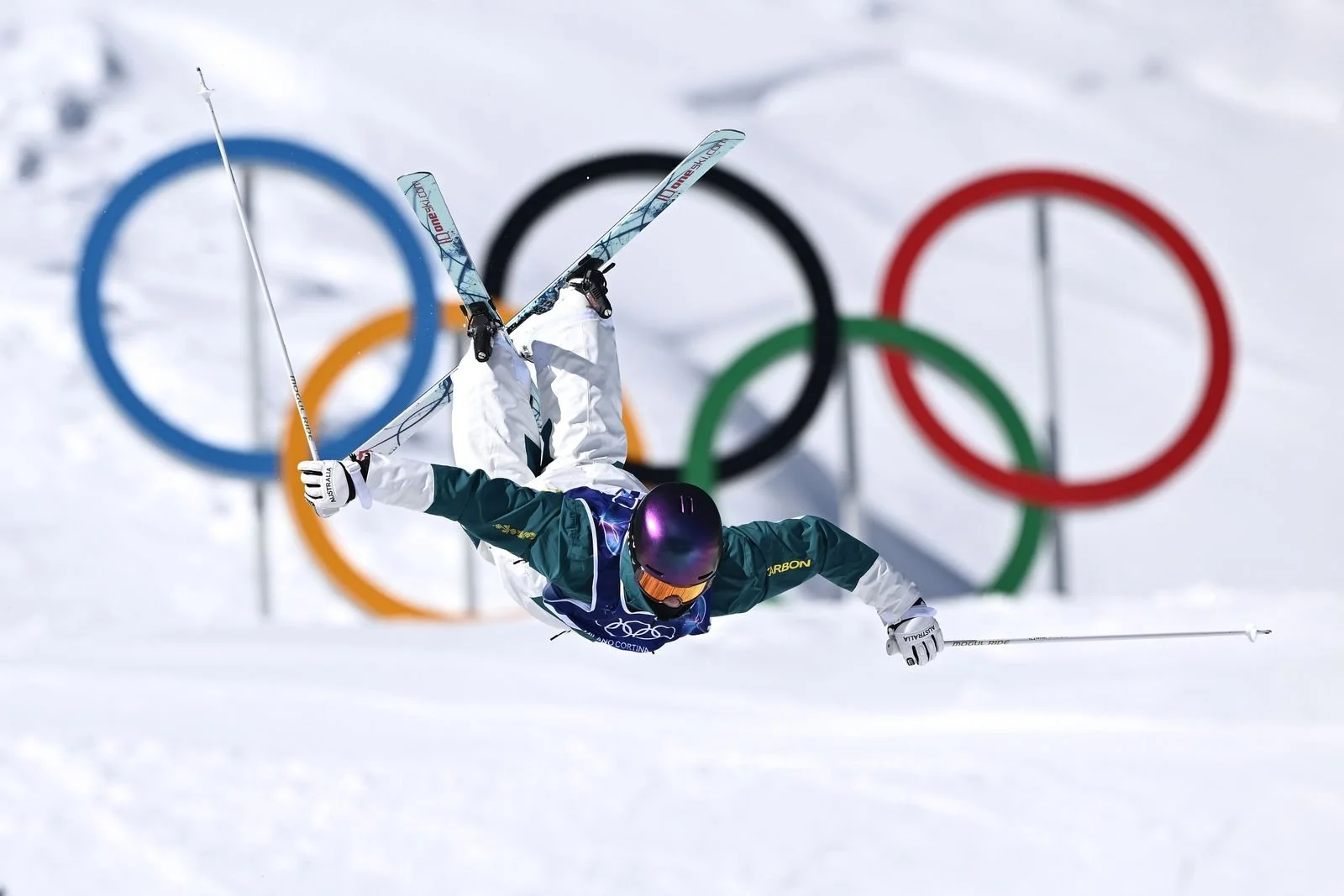

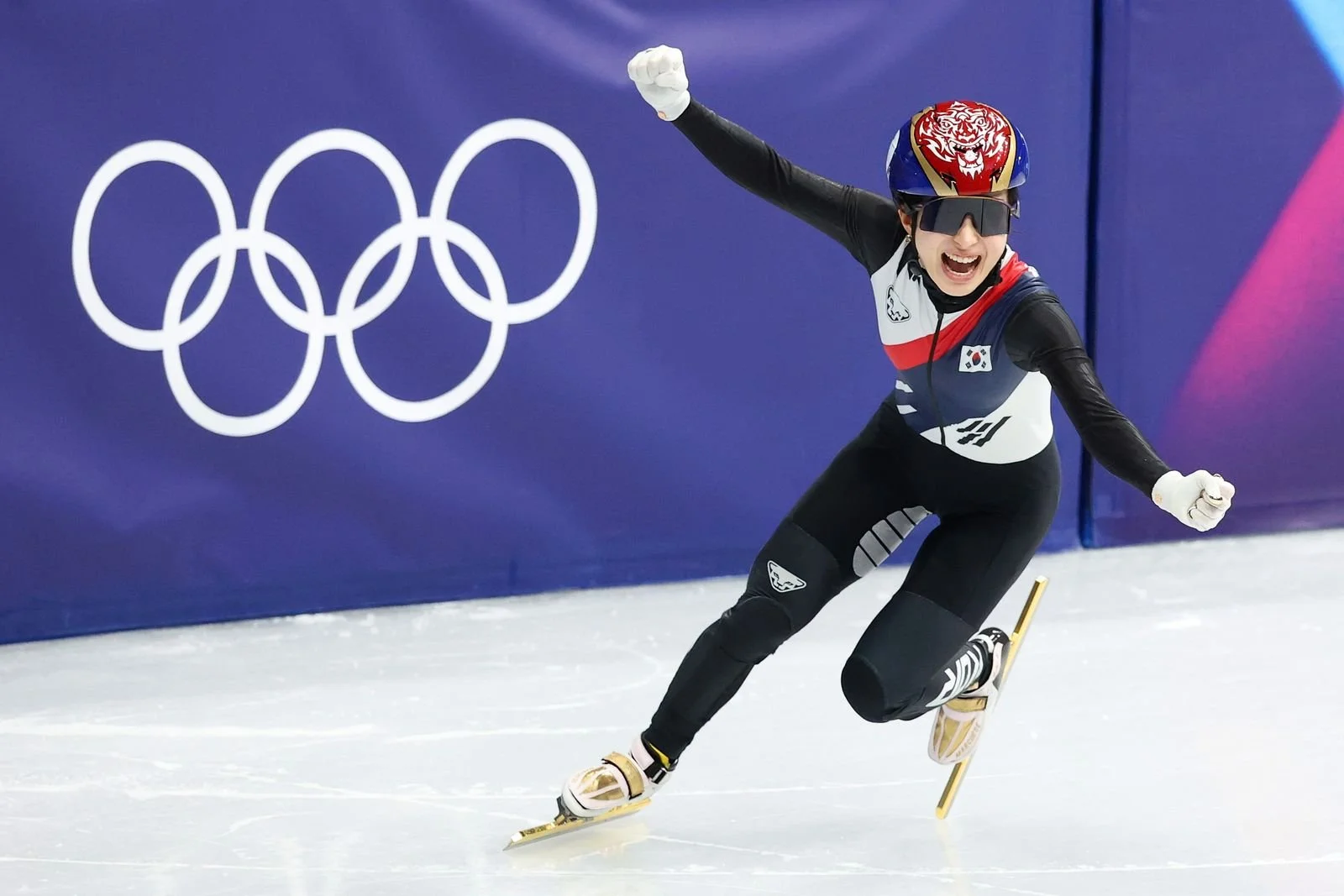
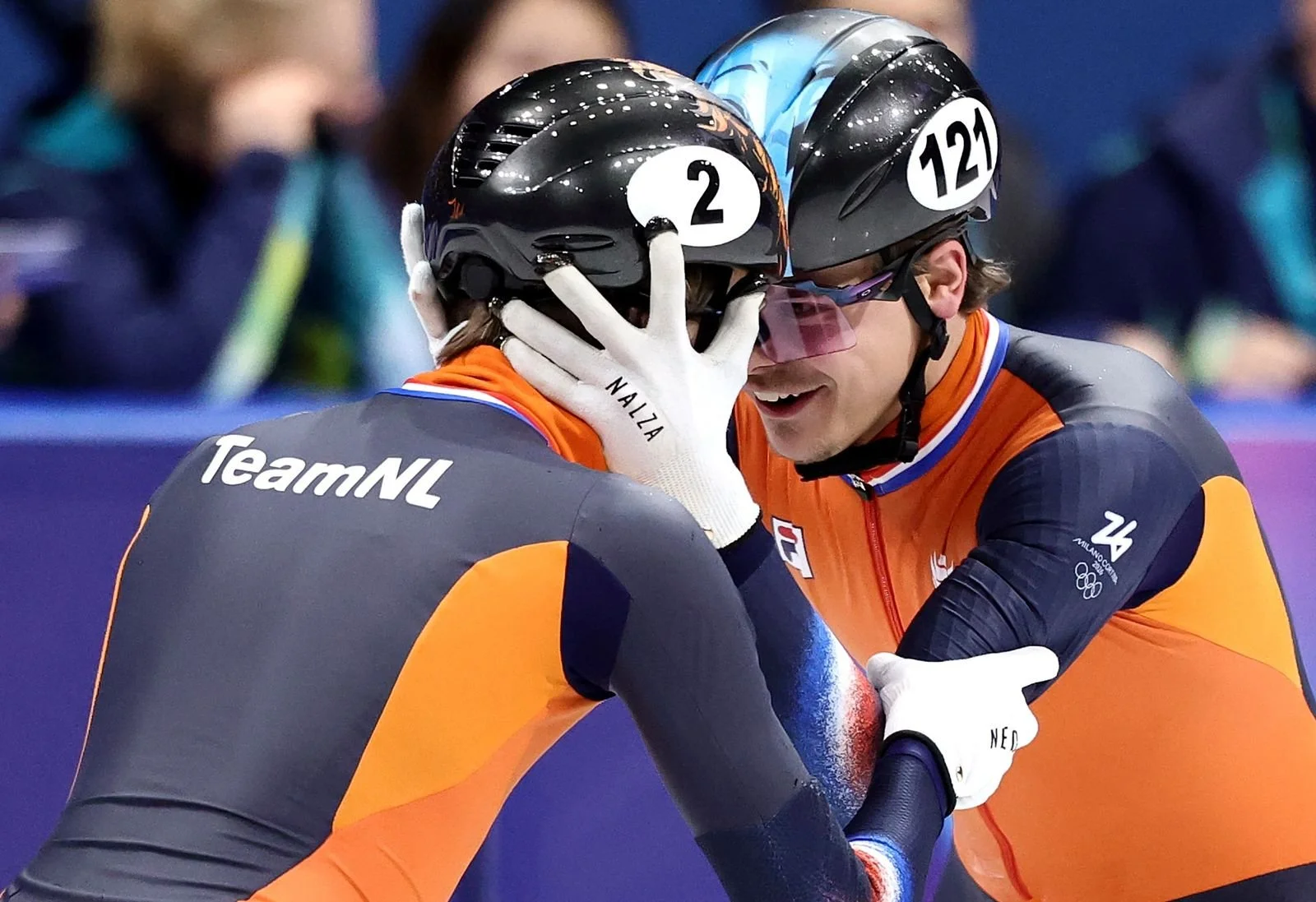
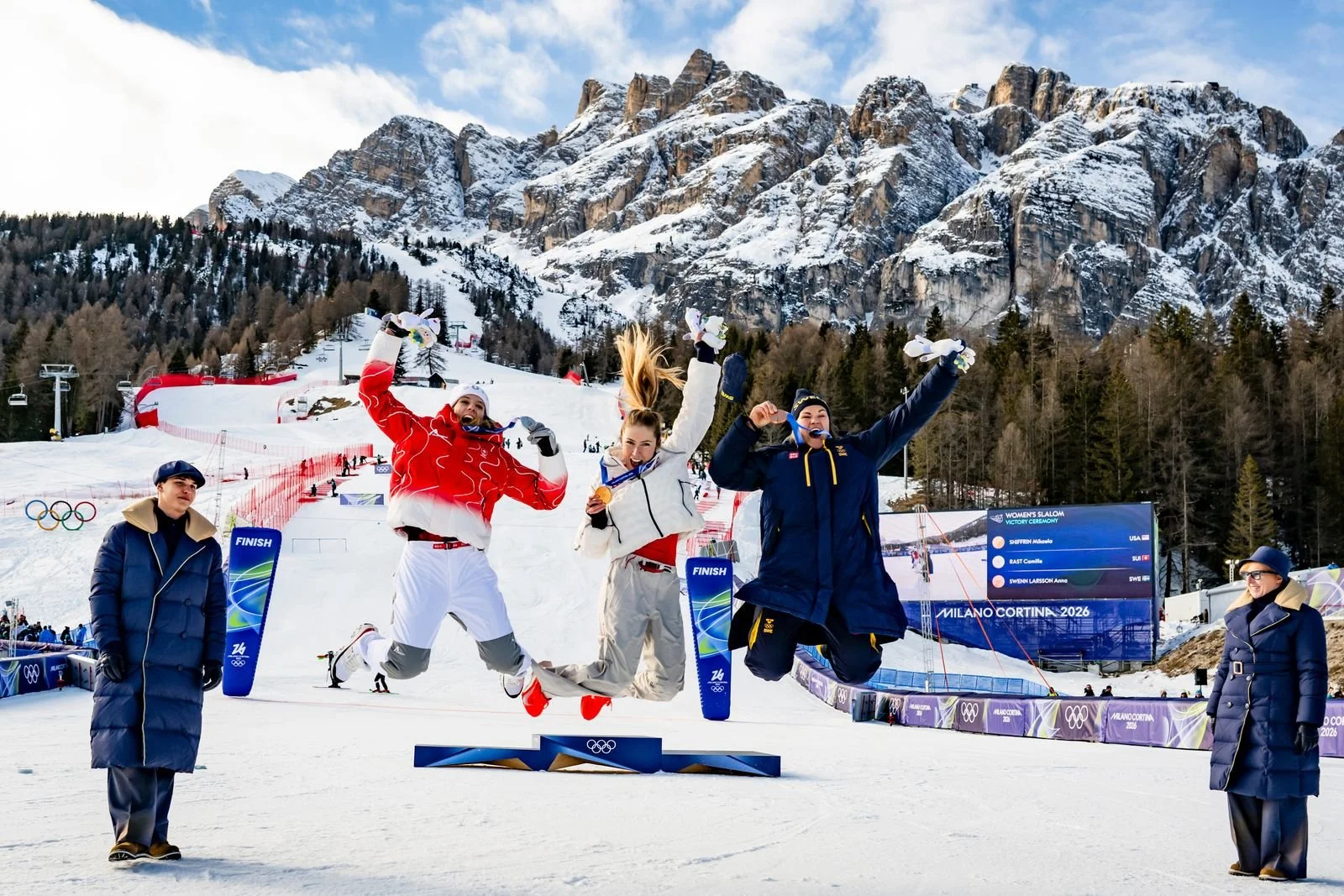
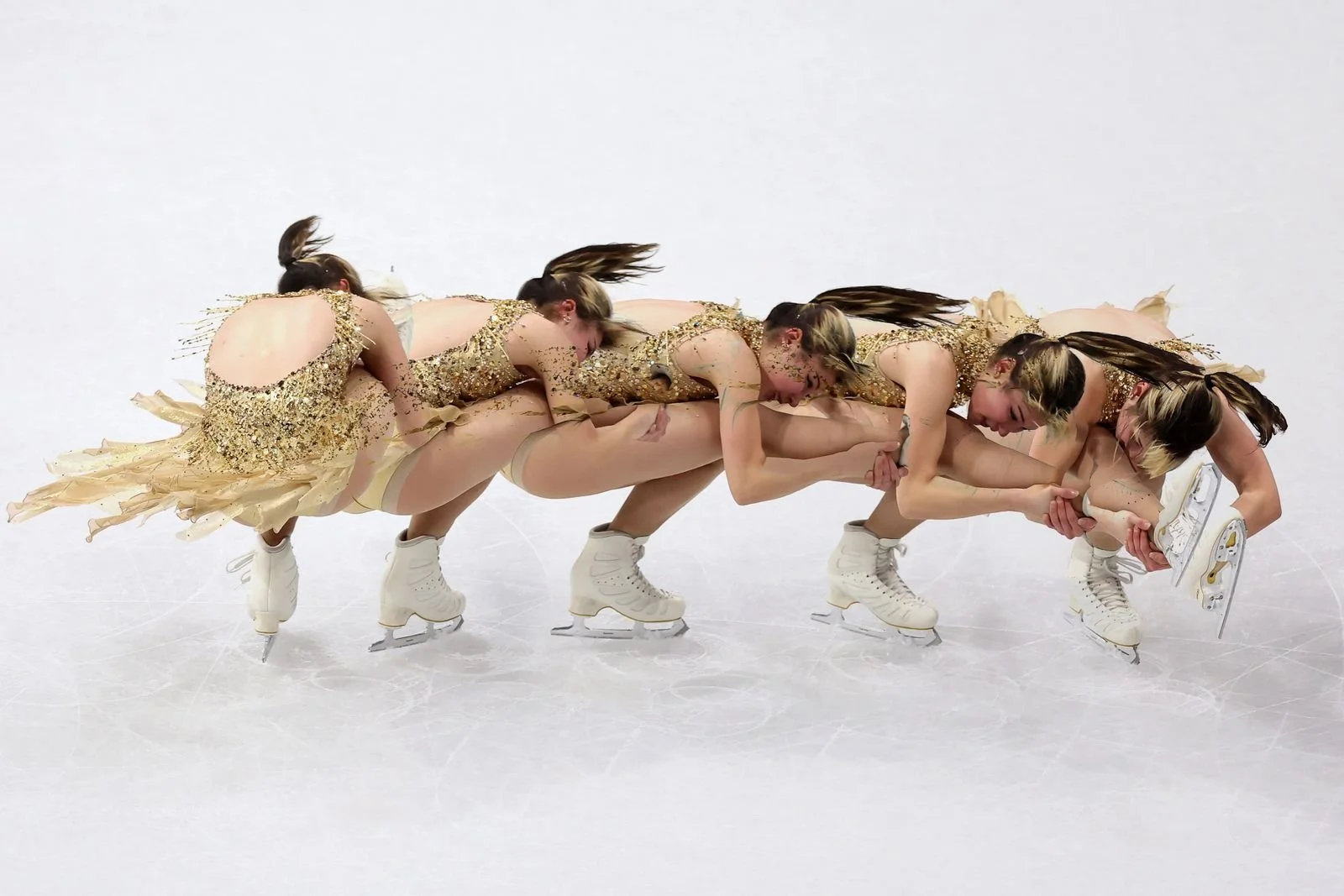
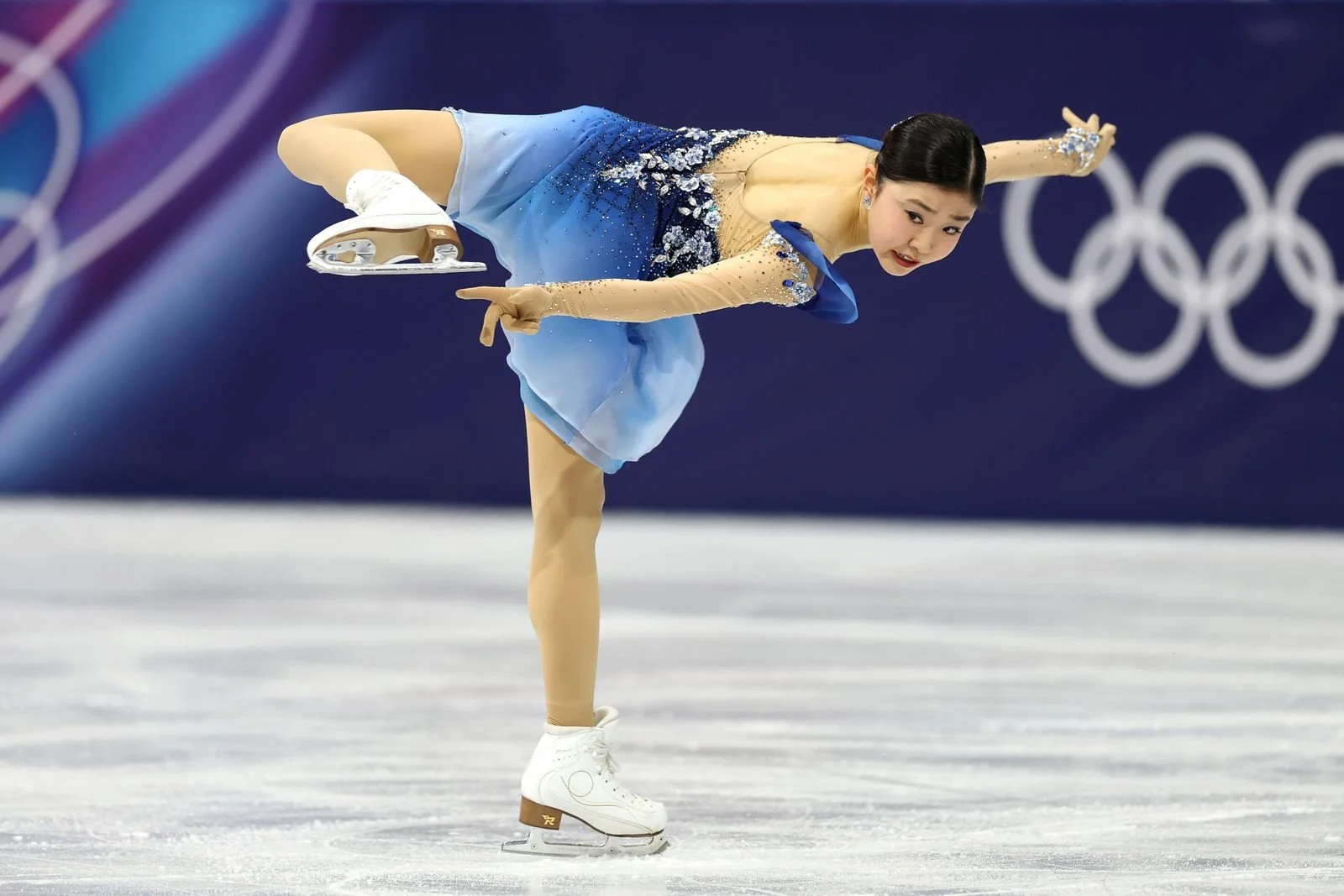
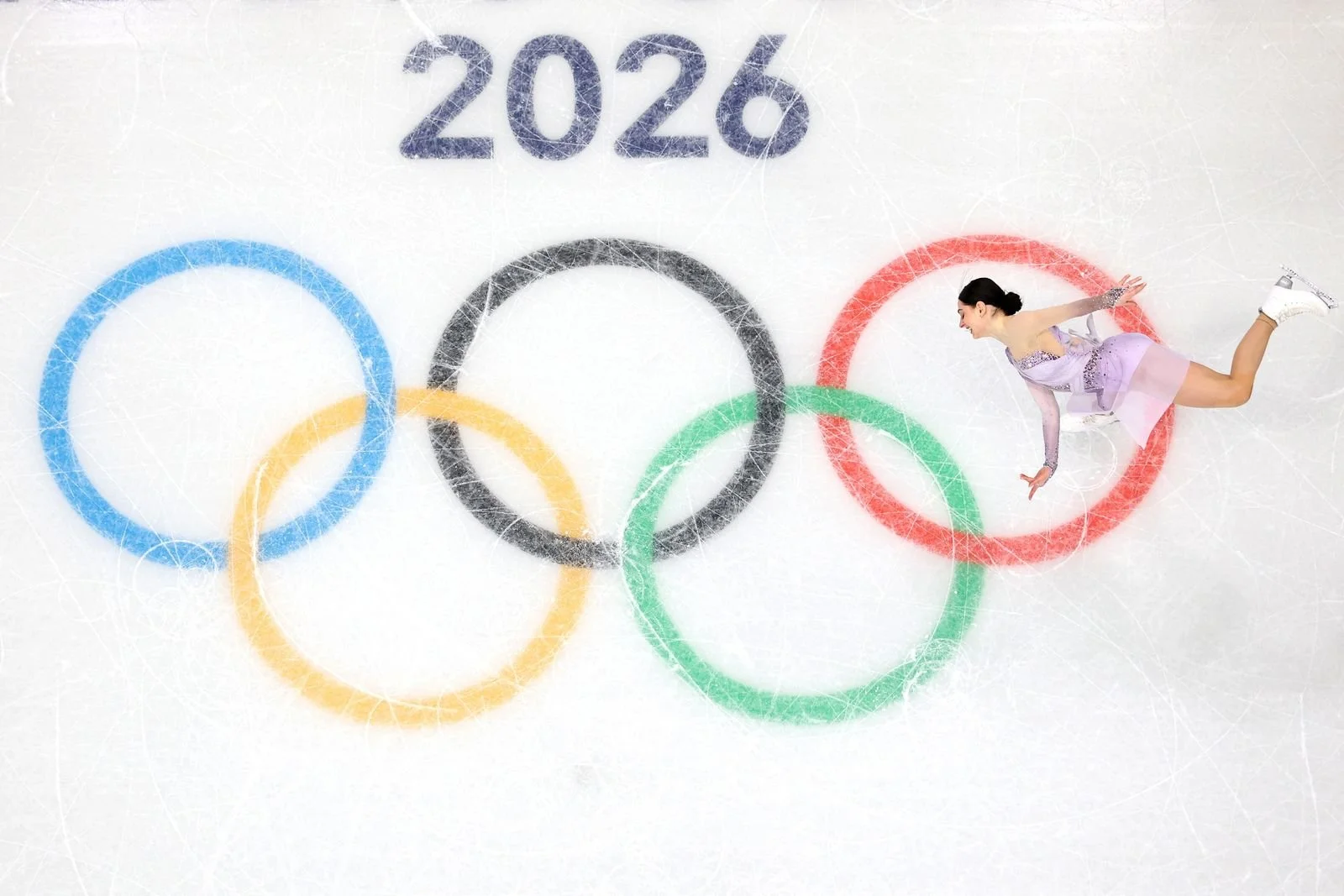
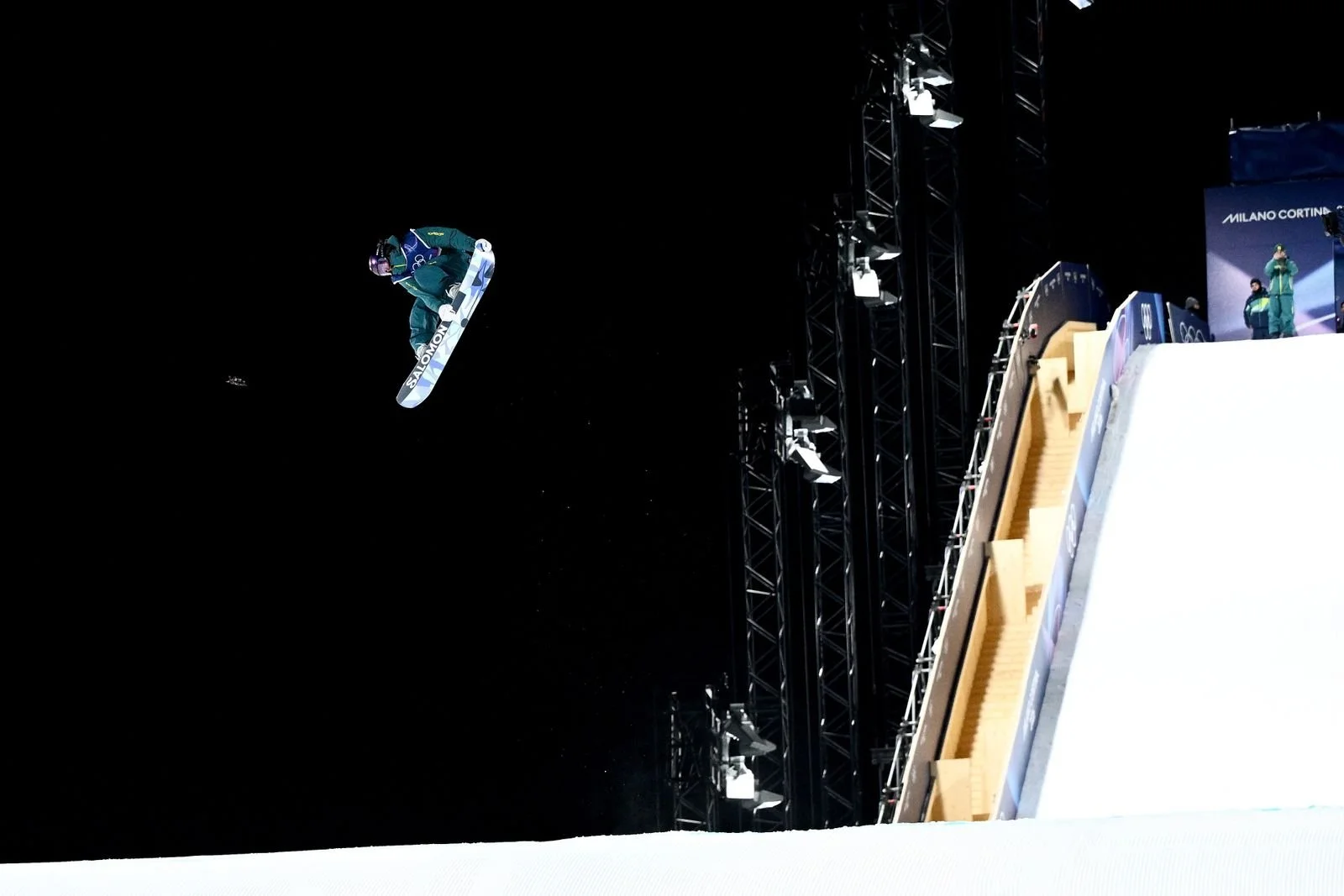
The Games have delivered a thrilling mix of record-breaking feats, dramatic comebacks, and national triumphs amid the stunning Alpine back, emerging stories include debut events like ski mountaineering and standout individual heroics, with themes of perseverance shining through variable weather and intense rivalries. Overall a total of 349 medals were awarded across the 116 medal events so far, emphasizing global diversity in winter sports.
This breaks down as:
116 gold medals (one per event)
118 silver medals (some events awarded multiple silvers due to ties)
115 bronze medals (similarly, some events had multiple bronzes or ties)
Grand total: 116 + 118 + 115 = 349 medals
The Nordic powerhouse leads with 18 gold, 12 silver, and 11 bronze for a dominant total of 41 medals—setting a new record for the most golds at a single Winter Olympics. This extends their streak of topping the standings, fueled by continued excellence in cross-country, biathlon, and other Nordic disciplines.
The United States has surged into second place with 12 gold, 12 silver, and 9 bronze (33 total), overtaking the host nation thanks to strong performances in figure skating, freestyle skiing, speed skating, and more—highlighted by recent hauls including golds in women's figure skating and other events.
The Netherlands: A speed skating powerhouse, the Dutch claimed 8 of their 10 golds on the oval, with stars like Irene Schouten and Kjeld Nuis setting records. Being 10 gold, 7 silver and 3 bronze.They punched above their weight in short track too, but limited diversity kept their total lower than broader nations.
Italy, the host, sits third with 10 gold, 7 silver, and 14 bronze (30 total), delivering an exceptional home performance despite slipping one spot, with robust showings in alpine skiing, biathlon, and sliding sports.
Lower-ranked countries like South Korea (short track specialists) and Australia (freestyle breakthroughs) added diversity, while first-time gold winners like Brazil (Lucas Pinheiro Braathen's alpine giant slalom) highlighted global expansion. Overall, Nordic nations ruled endurance events, while the U.S. and Italy thrived in high-profile spectacles.
Amid challenges like mild weather and minor controversies in judging, the event emphasized sustainability, repurposing existing venues and promoting eco-friendly mobility in the Alps, ensuring a lasting impact on infrastructure and environmental stewardship. Standout stories of comebacks (Alysa Liu and Mikaela Shiffrin), defenses (Eileen Gu's halfpipe gold), and sheer dominance captivated billions, blending athletic excellence with cultural flair through opera-infused ceremonies and viral celebrations. As the Olympic flame dimmed, the legacy endures: records broken, barriers shattered, and a blueprint for future Games that prioritize people, planet, and passion. Grazie, Italy—the spirit of Milano Cortina will inspire until the French Alps host in 2030.
