
Understand the sequence objectively. Here is the order of the key events that led to the present situation.
There are people searching why Trump attacked Iran, however the current escalation between the United States and Iran cannot be attributed to the decision of a single individual or any isolated, short-term trigger. Rather, it represents the latest development in a structural, multi-decadal strategic confrontation shaped by deeply entrenched ideological, geopolitical, and security dynamics.
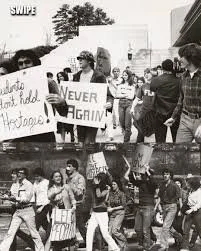
The modern US-Iran standoff began with the 1979 Iranian Revolution,
When revolutionaries overthrew the US-backed Shah and stormed the American embassy in Tehran, holding 52 diplomats hostage for 444 days. That event shattered diplomatic ties and embedded deep mutual distrust: Iran viewed the US as an imperialist enemy propping up corrupt rulers, while America saw the new Islamic Republic as a radical theocracy exporting revolution.
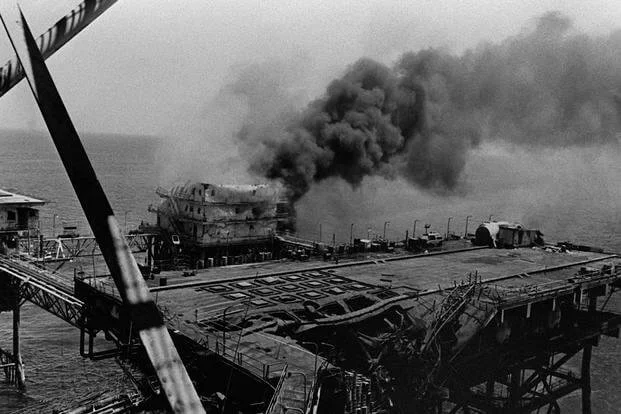
Fast-forward through the 1980s
Iran and Iraq fought a brutal eight-year war in which the US tilted toward Saddam Hussein (providing intelligence and allowing reflagging of tankers). Iran responded by mining the Persian Gulf and attacking shipping—leading to the US Navy’s Operation Praying Mantis in 1988, the last direct naval clash before recent events.
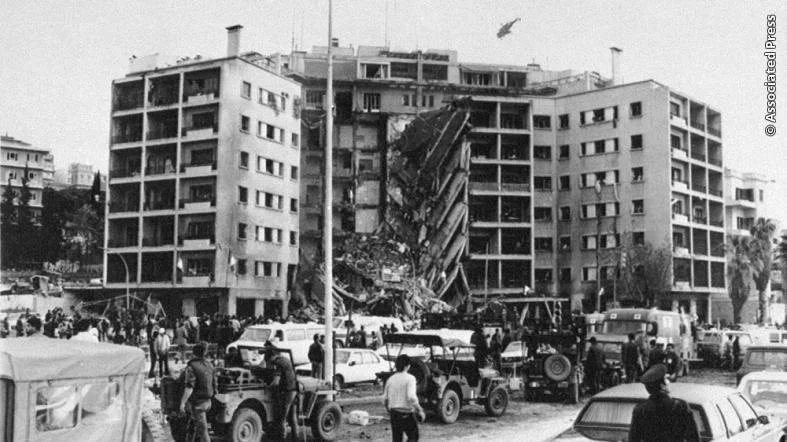
Then came the 1983 Beirut barracks bombing by Iranian-backed Hezbollah
It killed 241 US Marines, and decades of Iran arming proxy militias (Hezbollah, Hamas, Houthis, Shia groups in Iraq) that have killed Americans from Lebanon to Afghanistan to the Red Sea today.
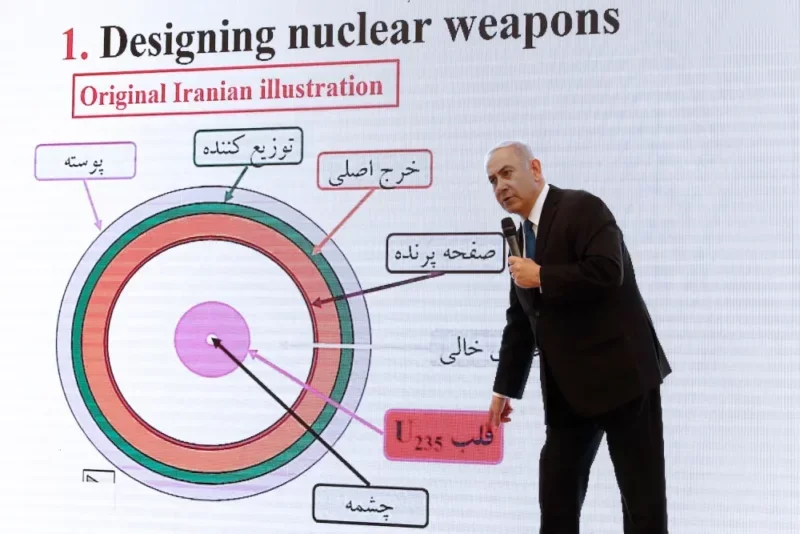
The nuclear dimension added urgency in the 2000s. Iran’s secret enrichment program,
exposed in 2002, triggered UN sanctions and a global standoff.
Every US administration since has treated a nuclear-armed Iran as unacceptable—because it would shift the Middle East balance, threaten Israel (which Iran’s leaders have repeatedly vowed to destroy), empower proxies, and potentially spark a regional arms race. Obama’s 2015 JCPOA tried diplomacy and temporarily capped enrichment. Trump’s first term withdrew from it in 2018, reimposed “maximum pressure” sanctions, and ordered the 2020 Soleimani strike. Biden tried reviving the deal. Trump’s second term saw renewed talks via Oman that reportedly made progress, until they collapsed.
By 2025–2026 the pressure cooker was already boiling over. Iran had enriched uranium to near-weapons-grade levels, rebuilt parts of its program after earlier US-Israeli strikes (including the June 2025 “Operation Midnight Hammer” that damaged key sites), and continued missile development. Meanwhile, massive protests inside Iran were met with lethal crackdowns. Israel faced near-daily attacks from Iranian proxies and directly from Tehran. Intelligence reportedly showed a narrow window to hit both nuclear infrastructure and top leadership simultaneously.
The February 28, 2026 strikes—joint US-Israeli “major combat operations” that killed Supreme Leader Khamenei and dozens of senior officials—did not erupt from a vacuum or one man’s whim. They are the latest chapter in a 47-year contest between:
a revolutionary regime whose ideology demands opposition to the US and Israel, and
a US-led order that refuses to accept a nuclear threshold state that bankrolls terrorism across the region.
Trump pulled the trigger, but the underlying dynamics—nuclear ambitions, proxy wars, ideological hostility, and failed diplomacy—predate him by generations and would confront any American president who prioritizes preventing an Iranian bomb and protecting allies.
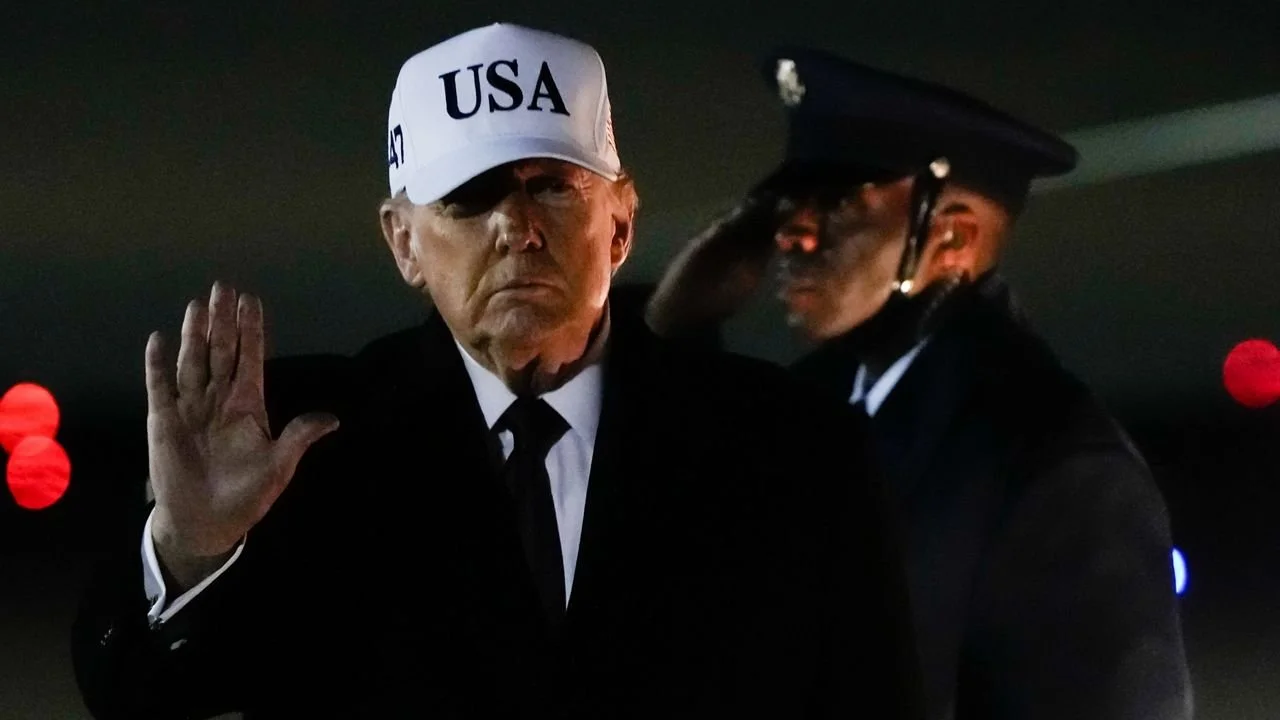
AP Photo/Julia Demaree Nikhinson
The search trend “why Trump attacked Iran” is understandable in the heat of the moment, yet it misses the bigger picture: this is a structural, multi-decade confrontation that has outlasted multiple Iranian supreme leaders, US presidents, and rounds of sanctions or talks. The real question isn’t “why now?” but “why has it taken this long?”—and whether this round finally changes the regime’s behavior or simply escalates the cycle.
